
Blanching Vegetables in Seven Simple Steps
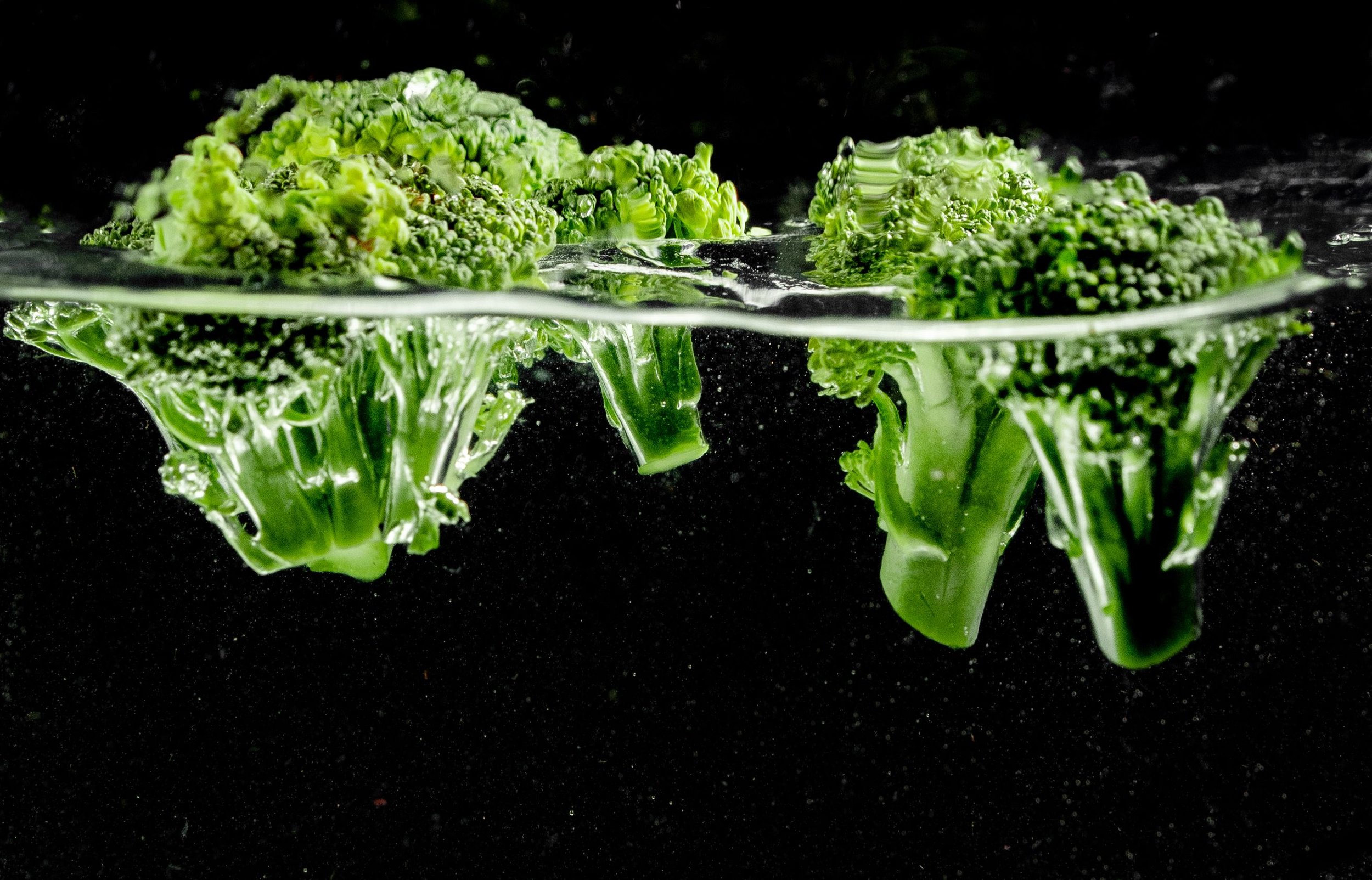
Broccoli takes a “cold water bath” after boiling.
For the local foodies out there who have joined our Community Supported Agriculture (CSA) program, we want all the produce you receive in your CSA share to stay fresh as long as possible…
In our weekly newsletter, we always share tips for storing different types of produce. If you can't use everything before it begins to spoil, freezing is a great way to preserve your vegetables for months.
Many vegetables should be blanched before freezing…
Blanching briefly cooks the vegetables in boiling water, then quickly cools them in ice water. This process slows the natural enzymes that cause vegetables to lose their flavor, color, texture, and nutrients during frozen storage. It also eliminates bacteria.
Onions, leeks, garlic, herbs, rhubarb, tomatoes, summer squashes, and peppers do not need to be blanched.
It is not recommended to freeze cucumbers, radishes, celery, or lettuce because they become watery or lose their texture if frozen.
All that said, here are 7 simple steps for blanching your veggies:
Wash the produce thoroughly.
Chop/peel/cut/mince the vegetables for easy storage.
Add produce to a pot of boiling water. Use one gallon of water for one pound of produce.
Once the water is boiling again, boil the veggies for their recommended time (see list below).
While the produce boils, prepare an ice bath (a bowl of water with ice). Transfer veggies with a slotted spoon to the ice bath. Do not let the veggies soak for a long time in the bath; just ensure they are no longer hot to the touch.
Drain the veggies and let them dry. Ensuring your produce is dry will reduce ice crystals forming in the freezer.
Freeze. (It’s often easiest to transfer the produce to a tray and freeze in a single layer and then transfer to a long-term storage container such as a plastic bag or freezer-safe glass container.)